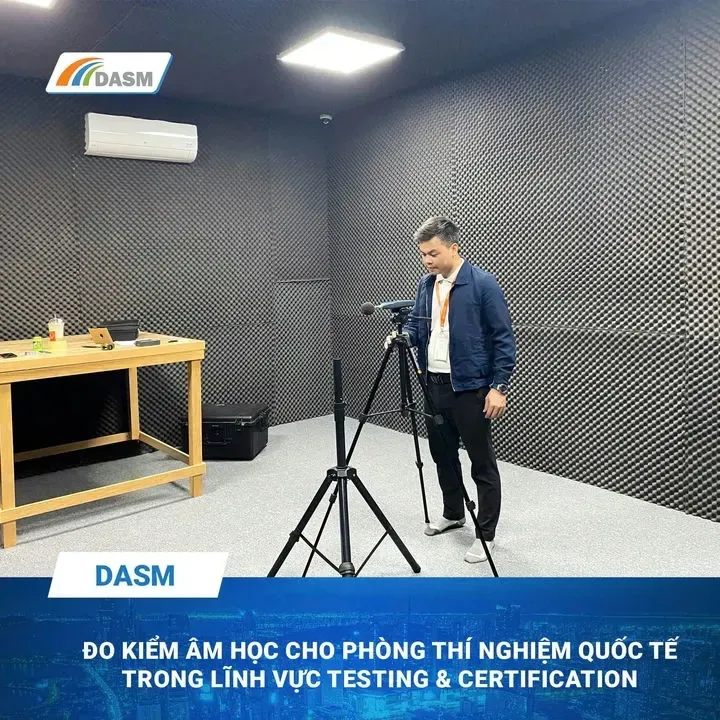
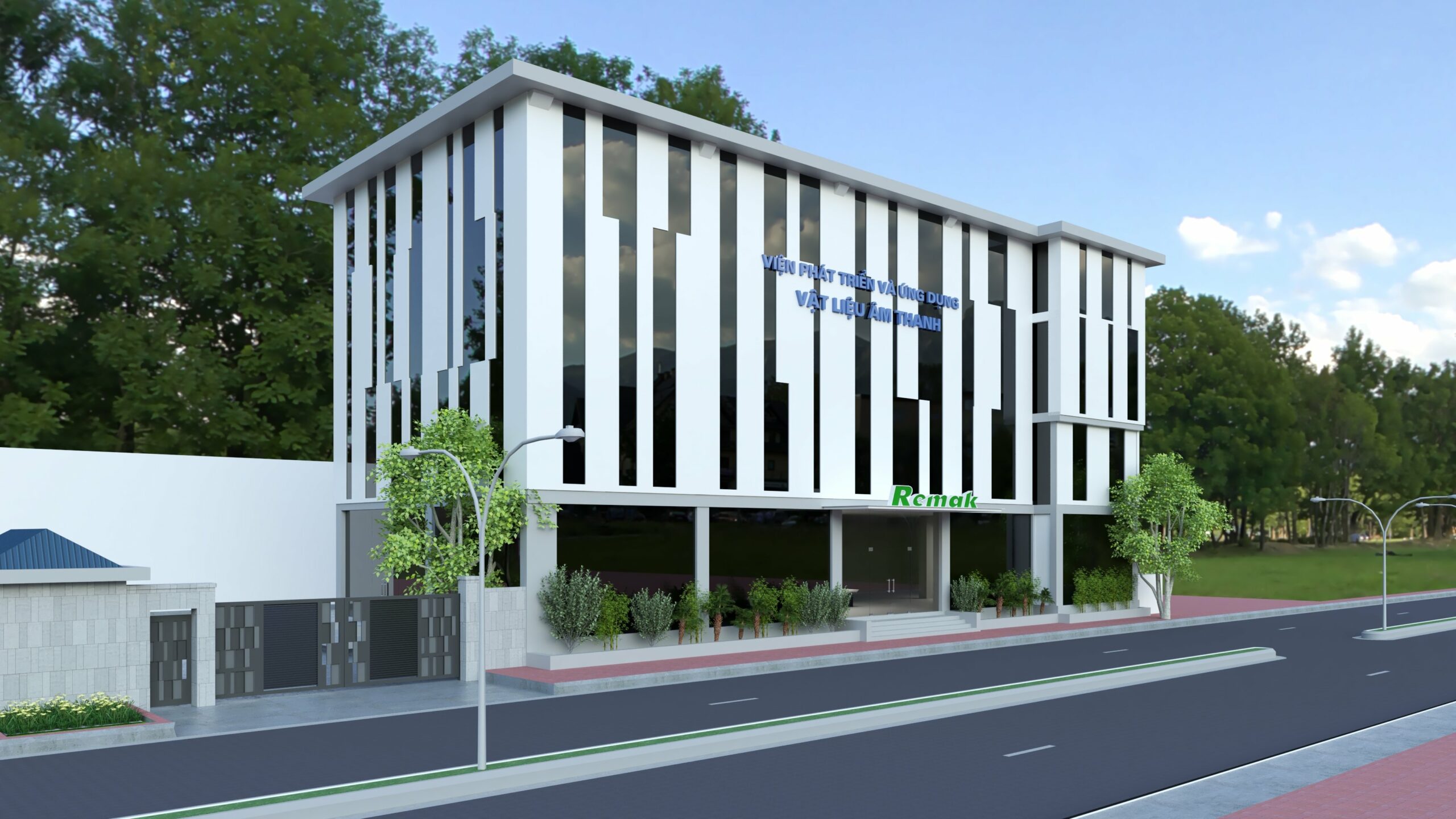
Acoustic solutions for buildings are governed by three fundamental physical mechanisms including reflection, absorption, and acoustic wave diffraction. DASM Institute applies these principles to control sound energy.
An acoustic solution is a spatial processing technical system aimed at controlling sound energy. The physical mechanisms governing the design include reflection, absorption, and acoustic wave diffraction. DASM Institute applies these principles to optimize the building sound field.
According to acoustic industry practices, sound pressure levels are usually controlled below 45 dB in standard meeting rooms. The surveyed frequency range is typically between 100 Hz and 5000 Hz. The reverberation time in the room usually reaches about 0.6 seconds to optimize speech clarity.
What are the mechanisms of absorption, reflection, and transmission?
Building acoustic calculation methods generally comply withISO 3382.
This standard specifies the measurement of reverberation times in spaces.
Additionally, noise control work also applies national technical regulations.
For example,TCVN 5513is used to ensure space quality.
When sound waves hit a material, the energy is split into three parts. Part of the energy is bounced back into the space. The second part penetrates the material structure.
The remaining part is retained in the material core. The energy conversion process takes place due to friction. Sound energy is converted into thermal energy.
This phenomenon reduces the amplitude of reflected waves. Noise-insulating sound insulation partitions depend on mass. Heavy walls usually suppress low frequencies well.
How is the echo phenomenon in actual spaces handled?
In large spaces, the reverberation time is usually prolonged. This phenomenon reduces speech clarity. Practical survey processes show that room corners are where sound energy is concentrated the most.
Combining acoustic engineering and interior aesthetics is a core problem. This process requires careful consideration of sound-absorbing materials.
This ensures appropriate reverberation according to ISO 3382 standards. Engineers of DASM Institute recommend complying with TCVN regulations to control noise effectively.
Application of acoustic solutions in architectural design
- Accurately identify specular reflection surfaces according to ISO documents.
- Map detailed acoustic energy distribution.
- Arrange appropriate absorbing materials to reduce reverberation time.
Combining acoustic engineering and interior aesthetics is a core problem in modern building design. This process requires consideration of sound-absorbing materials to ensure appropriate reverberation.
Architects often choose wall and ceiling systems that meet TCVN standards on sound insulation. This helps effectively prevent the transmission of sound energy between rooms.
For meeting room sound absorption, the arrangement of panels needs to be calculated synchronously with the lighting system. Controlling noise from the outside helps enhance speech clarity.
This method yields optimal effectiveness through the application of current acoustic standards. The synchronization between the finishing layer and the core layer creates a unified whole.
How to avoid mistakes when self-handling sound insulation
DASM Institute notes that handling from the schematic design stage will save remediation costs. This process helps the building achieve high aesthetic value when put into operation.
Doing sound insulation and noise proofing yourself often encounters many errors. Acoustic bridges appear due to rigid connections between framing systems. Vibrations transmit directly through building enclosures.
Sound leakage through gaps reduces sound insulation effectiveness. Many people choose the wrong density or type of sound-absorbing materials. Using materials that are too thin fails to meet technical requirements.
Therefore, constructors need to grasp the nature of sound waves.
DASM Institute provides a professional implementation process. This process goes from surveying to simulation. Then comes construction supervision and acceptance.
Clients can learn more about the serviceNoise and vibration control. Or refer to the solutionAcoustic consulting and design for buildings. This helps optimize sound insulation effectiveness for the space.
Common mistakes when doing DIY sound insulation
Doing sound insulation and noise proofing yourself in buildings often encounters serious technical errors. The acoustic bridge phenomenon appears due to rigid connections between framing systems. Vibrations are transmitted directly through walls.
Sound leakage through technical gaps sharply reduces the initial sound insulation effectiveness. Many people often choose the wrong type of sound-absorbing materials. This leads to poor sound blocking at low frequencies.
The use of excessively thin materials does not meet the noise control requirements according to current standards. This process requires a high level of structural synchronization. Acoustic energy needs to be completely dissipated.
Experts recommend sealing every small gap and arranging elastic damping layers. Miscalculating technical parameters will break the sound insulation structure. Constructors need to grasp the physical nature of sound waves.
The precise construction method helps to minimize sound transmission through building envelope structures.
The professional service deployment process at the DASM Institute
The standard working process helps optimize the investment efficiency of the project. The first step involves conducting a current status survey and measuring initial parameters. Experts proceed to record the sound pressure level and reverberation time (RT60).
The next stage is to build a detailed technical design dossier according to the characteristics of the space. The engineering team applies acoustic simulation methods to accurately predict energy attenuation. Parameters regarding sound insulation and meeting room sound absorption are thoroughly calculated.
The selection of sound absorption materials meeting current acoustic standards is a key factor. After completing the drawings, the unit proceeds with construction supervision and overall acceptance testing. The noise control stage at the end ensures the project meets strict technical standards.
VILAS 1541 · ISO/IEC 17025
Need advice on Materials Acoustic Testing?
Services of testing, measuring and analyzing acoustic properties of equipment, products, vehicles, acoustic materials, etc.
Related Articles
Articles from the same category or related topics
- 2 min read
DASM Is Hiring a Building Materials or Materials Engineering Engineer
DASM is recruiting an engineer in building materials or materials engineering for research on sound insulation, absorption and fire-resistant materials.
Read more → - 2 min read
DASM Is Hiring an Acoustic Design Architect
DASM is recruiting an architect for architectural acoustic design of civil and industrial buildings. Full training provided; no experience required.
Read more → - 6 min read
From Vietnamese Acoustic Knowledge to International Forums: DASM's Research Milestone in Acoustics Australia
A research paper on acoustic materials by DASM was published in Acoustics Australia, a world-renowned acoustic journal, marking a new step forward for DASM in the field of acoustics
Read more →