ISO 3095:2013 – Acoustics — Railway applications — Measurement of noise emitted by railbound vehicles
ISO 3095:2013 specifies measurement methods and conditions to obtain reproducible and comparable exterior noise emission levels and spectra for all kinds of vehicles operating on rails or other types of fixed track, hereinafter conventionally called “unit”.
ISO 3095:2013 is applicable to type testing of units. It does not include all the instructions to characterize the noise emission of the other infrastructure related sources (bridges, crossings, switching, impact noise, curving noise, etc.).
ISO 3095:2013 is not applicable to:
– the noise emission of track maintenance units while working;
– environmental impact assessment;
– noise emmission assessment;
– guided buses;
– warning signal noise.
The results may be used, for example:
– to characterize the exterior noise emitted by units;
– to compare the noise emission of various units on a particular track section;
– to collect basic source data for units.
Copyrighted standard notice
According to international copyright regulations and DASM policy, only the standard summary and test methodology are displayed. Direct download is not available.
VILAS 1541
DASM conducts testing according to this standard
DASM Acoustic Laboratory has accredited capability to conduct 1 testing method(s) compliant with standard ISO 3095:2013:
- Noise measurement(TCVN 11521:2016; ISO 3095:2013)
VILAS 1541 · ISO/IEC 17025
Need advice on Noise Survey & Assessment Services?
Measuring ambient environmental, factory and residential noise to support environmental impact assessment (EIA).
Related Articles
Articles from the same category or related topics
- 3 min read
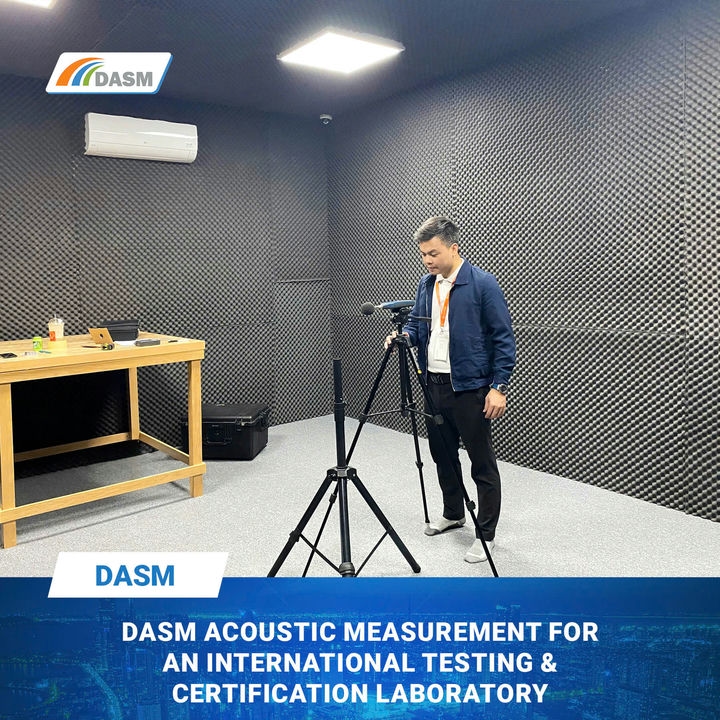
Advanced Acoustic Measurement & Noise Emission Testing for International Testing & Certification Laboratories
DASM provides advanced acoustic measurement and noise emission testing services for Testing & Certification laboratories, ISO-compliant procedures
Read more → - 4 min read
Sound Absorption: Definition, Formula, Measurement & Applications
Learn what sound absorption is, how it works, absorption coefficient (α), testing methods like Kundt’s tube (ISO 10534-2) and reverberation room (ISO 354)
Read more → - 6 min read
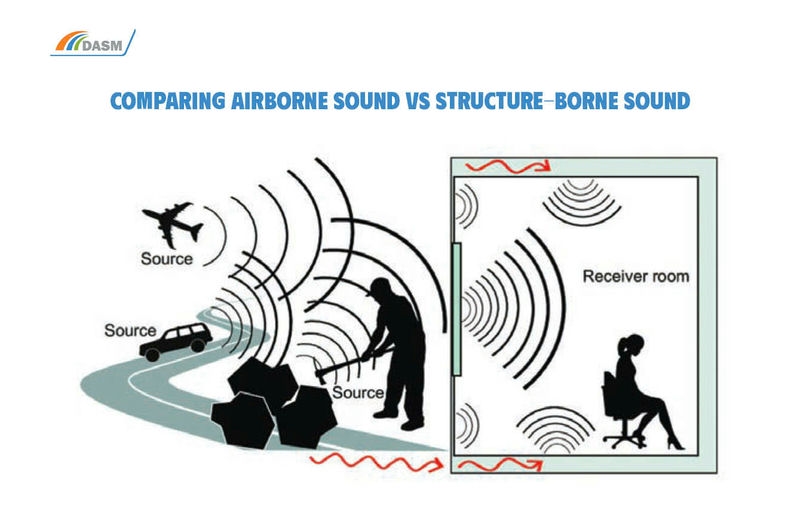
What Is The Difference Between Airborne Sound And Structure-Borne Sound?
Airborne sound and structure-borne sound are different, yet many people still can’t distinguish them clearly.
Read more →