1. Scope
This standard specifies technical measurement methods for worker noise exposure in the working environment and for calculating noise exposure levels. This standard addresses A-weighted sound levels but can also be applied to C-weighted sound levels. This standard specifies three different measurement methods. This method is useful when it is necessary to determine noise exposure levels to a technical degree, for example, detailed studies of noise exposure, or epidemiological studies on hearing impairment or other adverse effects.
The measurement process requires observation and analysis of noise exposure conditions so that the quality of the measurement can be controlled. This standard provides a method for estimating the measurement uncertainty.
This standard is not intended for evaluating speech masking or for evaluating ultrasound, infrasound, and non-acoustic effects of noise. This standard does not apply to measurements of ear noise exposure levels when wearing hearing protection devices.
The results of measurements performed according to this standard can provide useful information when determining priorities for noise control measures.
2. Normative references
The following referenced documents are indispensable for the application of this standard. For dated references, only the edition cited applies. For undated references, the latest edition of the referenced document (including any amendments) applies.
TCVN 9595-3 (ISO/IEC Guide 98-3), Uncertainty of measurement – Part 3: Guide to the expression of uncertainty in measurement (GUM:1995).
ISO 1999, Acoustics – Determination of occupational noise exposure and estimation of noise-induced hearing impairment ("Acoustics – Determination of occupational noise exposure and estimation of noise-induced hearing impairment”.)
IEC 60942: 2003, Electroacoustics – Sound calibrators (Electroacoustics – Sound calibrators).
IEC 61252, Electroacoustics – Specifications for personal sound exposure meters (Electroacoustics – Specifications for personal sound exposure meters).
IEC 61672-1:2002, Electroacoustics – Sound level meters – Part 1: Specifications (Electroacoustics – Sound level meters – Part 1: Specifications).
Copyrighted standard notice
According to international copyright regulations and DASM policy, only the standard summary and test methodology are displayed. Direct download is not available.
VILAS 1541
DASM conducts testing according to this standard
DASM Acoustic Laboratory has accredited capability to conduct 1 testing method(s) compliant with standard TCVN 9799:2013:
- Determination of occupational noise exposure(TCVN 9799:2013; ISO 9612:2009)
VILAS 1541 · ISO/IEC 17025
Need advice on Noise Survey & Assessment Services?
Measuring ambient environmental, factory and residential noise to support environmental impact assessment (EIA).
Related Articles
Articles from the same category or related topics
- 3 min read
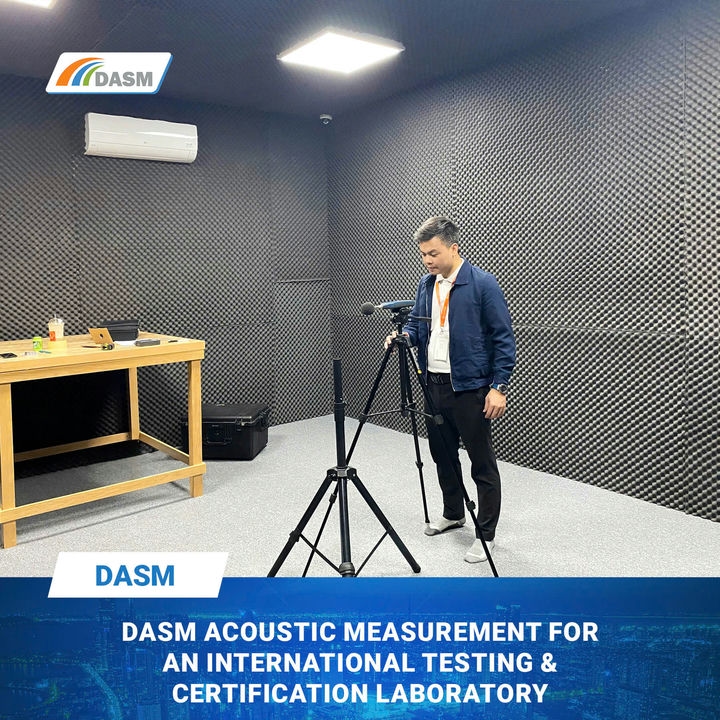
Advanced Acoustic Measurement & Noise Emission Testing for International Testing & Certification Laboratories
DASM provides advanced acoustic measurement and noise emission testing services for Testing & Certification laboratories, ISO-compliant procedures
Read more → - 4 min read
Sound Absorption: Definition, Formula, Measurement & Applications
Learn what sound absorption is, how it works, absorption coefficient (α), testing methods like Kundt’s tube (ISO 10534-2) and reverberation room (ISO 354)
Read more → - 6 min read
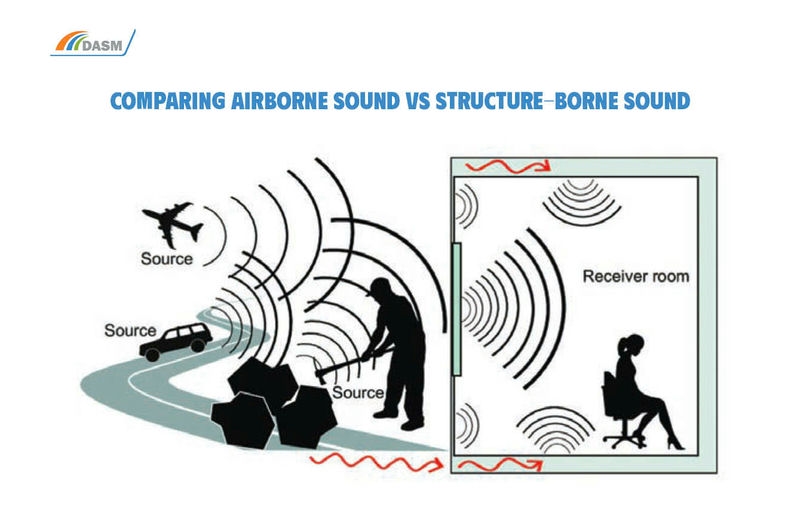
What Is The Difference Between Airborne Sound And Structure-Borne Sound?
Airborne sound and structure-borne sound are different, yet many people still can’t distinguish them clearly.
Read more →