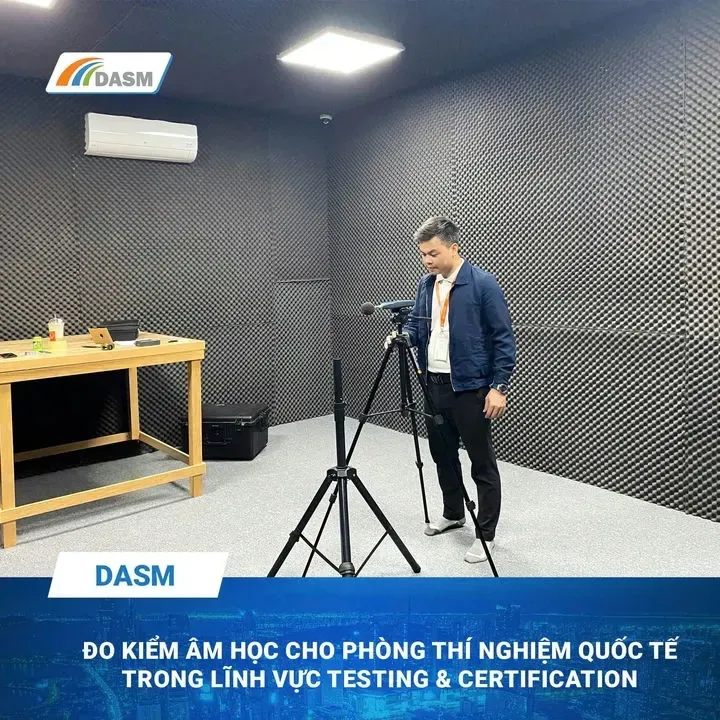
DASM provides material testing services for electrical cabinet noise in accordance with the international standard ISO 7779, ensuring accurate evaluation of industrial and commercial equipment noise levels.
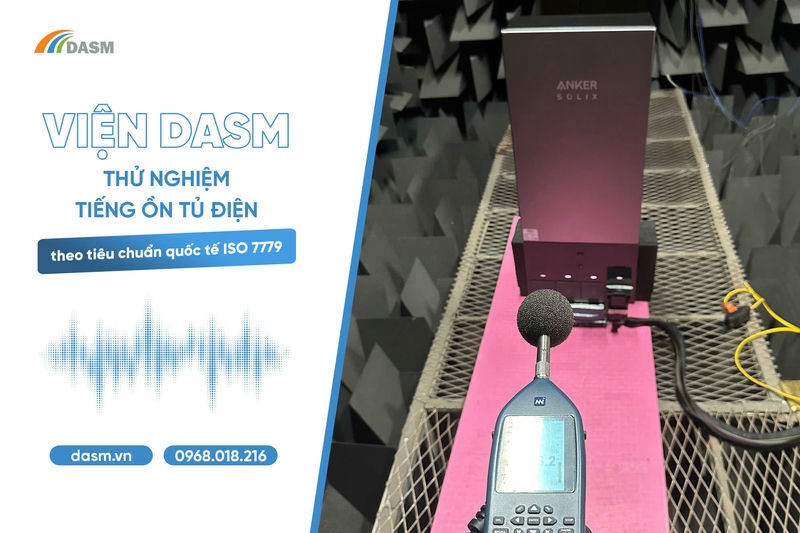
Testing of electrical cabinet noise according to the requirements of international standard ISO 7779
In many industrial fields, especially electromechanical - equipment manufacturing - telecommunications - electronics - data centers, the noise emitted by equipment is an important parameter that needs to be controlled.
Electrical Cabinets / Equipment Enclosures during operation can generate noise from:
- Cooling fans
- Transformers and inductors
- Relays
- Electrical circuits
- Refrigeration or air conditioning systems
Uncontrolled noise can affect:
+ Working environment
+ Personnel health
+ Equipment reliability in server rooms and data centers
+ Technical requirements for export
+ Safety and comfort standards
Therefore, evaluating the noise of electrical cabinets according to international standards is a mandatory step for many manufacturers targeting the international market.
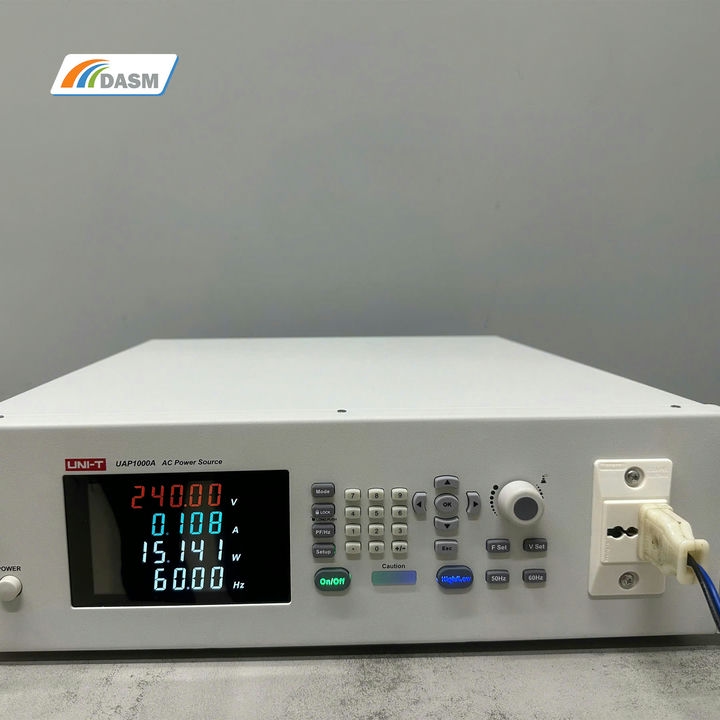
ISO 7779: The global standard for measuring noise from information technology equipment
What is ISO 7779?
ISO 7779 is an international standard specifying methods for measuring Sound Power Level and Sound Pressure Level of information technology, telecommunications, and office equipment.
The categories of equipment within the scope of the standard include:
- Electrical Cabinets - Server Cabinets - Data Cabinets
- Servers
- Switches and Routers, Adapters
- Cooling systems and small HVAC
- Industrial computers
- Telecommunication equipment
Key parameters measured in noise testing according to ISO 7779
ISO 7779 focuses on technical parameters such as:
- LWA (A-weighted Sound Power Level)
- LpA (Sound Pressure Level) at the operator position
- Tonality
- Work Mode
- Idle Mode
These parameters allow users, manufacturers, and certification bodies to compare - evaluate - predict noise impacts in real environments.
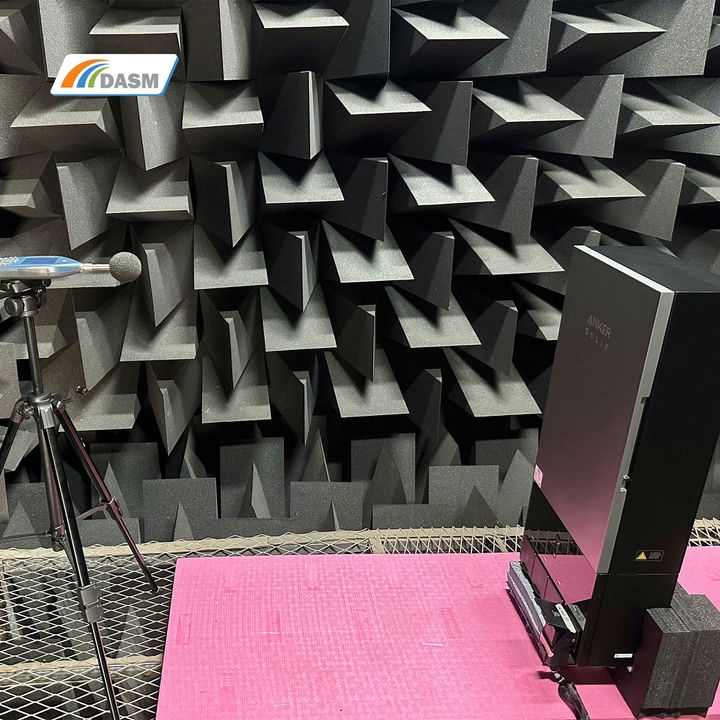
Electrical cabinet noise testing procedure according to ISO 7779 at DASM
At DASM, ISO 7779 testing is deployed following a standard procedure with a controlled lab environment. The procedure includes the steps:
- Equipment preparation & technical description
Including:
Model & equipment capacity
Required operation mode
Dimensions - weight
Cooling system
- Environment setup & measurement microphone
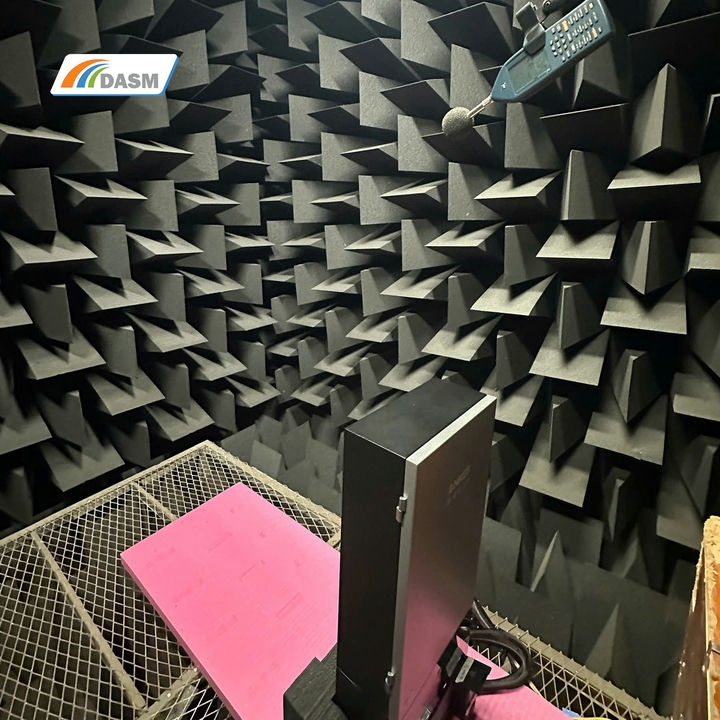
The electrical cabinet is placed in a lab with controlled background noise level interference, meeting standard requirements for room acoustics.
Measurement microphones are arranged at reference positions according to Free-field or Semi-free-field depending on requirements.
- Data recording - analysis
The acoustic analysis system determines:
A-weighted SPL
A-weighted SWL
1/3 octave spectrum (Depending on purpose)
Tonality
- Test report compilation
The results are compiled into a standard report including:
- Noise parameters
- Frequency analysis chart
- Operating mode
- Equipment technical notes
- Measurement errors and conditions
Benefits of ISO 7779 material testing for manufacturing enterprises
Export & international certification
Many markets require noise declaration when importing industrial equipment, especially the EU, US, and Japan.
Optimizing product design
Manufacturers can improve:
+ Air circulation
+ Sound insulation material
+ Cooling fan system
+ Noise optimization – power
Compliance with standards & declaration guidelines
ISO 7779 data allows noise declaration in:
- Datasheet
- Catalog kỹ thuật
- Inspection records
Noise testing – measurement – analysis services at DASM
DASM provides a comprehensive range of services for businesses including:
- Noise testing according to ISO 7779
- Noise assessment according to other international standards (ISO – IEC – ASTM)
- Equipment noise frequency band analysis
- Consulting on noise reduction design optimization
- Laboratory & field testing
- Certification reports for technical documentation
DASM has the advantage of owning an acoustics laboratory meeting VILAS standards, ensuring high accuracy, traceability, and testing capacity in accordance with regulations.
Acoustics services at DASM:
In addition to noise testing services, DASM also provides other standardized acoustics services such as:
- Noise survey and assessment
- Architectural acoustic consulting and design
- Acoustic design and simulation
- Noise and vibration control
- Consulting, design, and improvement of sound insulation/sound absorption materials accordingly
Electrical cabinet noise testing according to ISO 7779 is an important requirement for information technology and industrial equipment manufacturing enterprises, especially in the context of the global supply chain demanding standards, data, and technical transparency.
DASM is ready to accompany enterprises in material testing, sound absorption analysis, sound insulation optimization, and product certification, contributing to enhancing the competitiveness of Vietnam's industrial equipment sector.
VILAS 1541 · ISO/IEC 17025
Need advice on Materials Acoustic Testing?
Services of testing, measuring and analyzing acoustic properties of equipment, products, vehicles, acoustic materials, etc.
Related Articles
Articles from the same category or related topics
- 6 min read
From Vietnamese Acoustic Knowledge to International Forums: DASM's Research Milestone in Acoustics Australia
A research paper on acoustic materials by DASM was published in Acoustics Australia, a world-renowned acoustic journal, marking a new step forward for DASM in the field of acoustics
Read more → - 3 min read
DASM Sound Absorption Testing for Noise Barriers According to ISO 354:2024 & EN ISO 11654:1997
DASM sound absorption testing for Noise Barriers in a reverberation room according to ISO 354:2024 and EN ISO 11654:1997 standards at a VILAS-certified laboratory
Read more → - 4 min read
DASM Participates in Long-Span Bridge Workshop for High-Speed Railways – Expanding Research Capabilities in Acoustics and Structural Vibration
DASM participates in the long-span bridge workshop for high-speed railways to update structural design trends, control structural vibration and acoustics, and prepare capabilities for projects
Read more →