
1. Scope
This document specifies a laboratory method for measuring the airborne sound insulation of building products, such as walls, floors, doors, windows, shutters, façade elements, façades, glazing, small technical elements, for instance transfer air devices, airing panels (ventilation panels), outdoor air intakes, electrical raceways, transit sealing systems and combinations, for example walls or floors with linings, suspended ceilings or floating floors.
The test results can be used to compare the sound insulation properties of building elements, classify elements according to their sound insulation capabilities, help design building products which require certain acoustic properties and estimate the in situ performance in complete buildings.
The measurements are performed in laboratory test facilities in which sound transmission via flanking paths is suppressed. The results of measurements made in accordance with this document are not applicable directly to the field situation without accounting for other factors affecting sound insulation, such as flanking transmission, boundary conditions and total loss factor.
2. Normative references
The following documents are referred to in the text in such a way that some or all of their content constitutes requirements of this document. For dated references, only the edition cited applies.
For undated references, the latest edition of the referenced document (including any amendments) applies.
ISO 717-1, Acoustics — Rating of sound insulation in buildings and of building elements — Part 1: Airborne sound insulation
ISO 10140-1, Acoustics — Laboratory measurement of sound insulation of building elements — Part 1: Application rules for specific products
ISO 10140-4, Acoustics — Laboratory measurement of sound insulation of building elements — Part 4: Measurement procedures and requirements
ISO 10140-5, Acoustics — Laboratory measurement of sound insulation of building elements — Part 5: Requirements for test facilities and equipment
ISO 12999-1, Acoustics — Determination and application of measurement uncertainties in building acoustics — Part 1: Sound insulation

Thông báo bản quyền tiêu chuẩn
Theo quyết định kỹ thuật và quy định bản quyền quốc tế, Viện DASM chỉ hiển thị phần tóm tắt và quy chuẩn phương pháp đo, không cung cấp tệp tải về có bản quyền.
VILAS 1541
DASM thực hiện phép thử theo tiêu chuẩn này
Phòng thử nghiệm âm học DASM được công nhận năng lực thực hiện 1 phép thử theo tiêu chuẩn ISO 10140-2:2021:
- Phòng thí nghiệm đo độ cách âm của các phần tử tòa nhà Phần 2: Phép đo độ cách âm trong không khí(ISO 10140-2:2021)
VILAS 1541 · ISO/IEC 17025
Cần tư vấn giải pháp âm học chuyên sâu?
Liên hệ ngay với chuyên gia Viện DASM để được khảo sát thực tế, đo kiểm chuẩn VILAS 1541 và tư vấn giải pháp tối ưu cho công trình của bạn.
Bài viết liên quan
Các bài viết cùng chuyên mục hoặc chủ đề tương tự
- 5 phút đọc
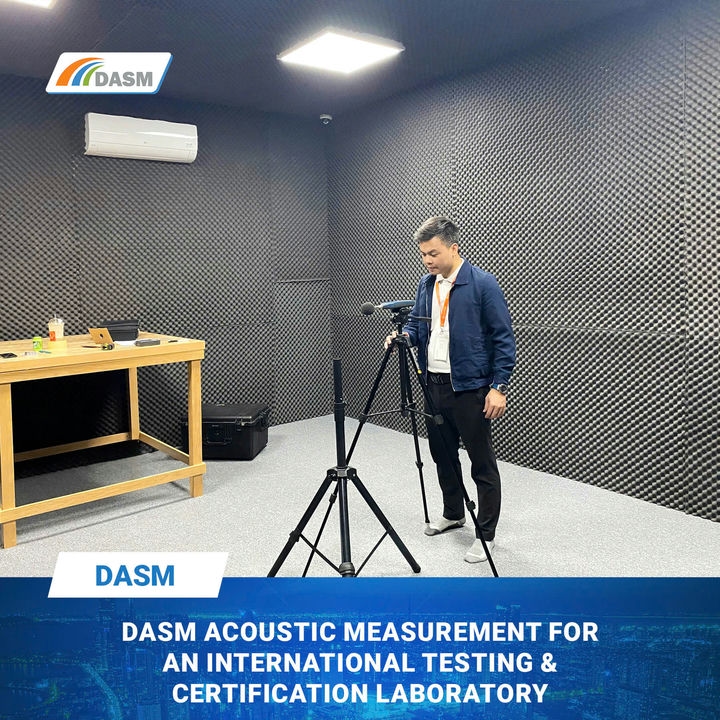
Đo lường âm học nâng cao và thử nghiệm phát xạ tiếng ồn dành cho các phòng thử nghiệm và chứng nhận quốc tế
DASM cung cấp các dịch vụ đo lường âm học nâng cao và thử nghiệm phát xạ tiếng ồn cho các phòng thử nghiệm và chứng nhận, tuân thủ các quy trình ISO
Đọc tiếp → - 5 phút đọc
Hút âm: Định nghĩa, Công thức, Đo lường & Ứng dụng
Tìm hiểu về hút âm là gì, cơ chế hoạt động, hệ số hút âm (α), các phương pháp thử nghiệm như ống Kundt (ISO 10534-2) và phòng âm vang (ISO 354)
Đọc tiếp → - 10 phút đọc
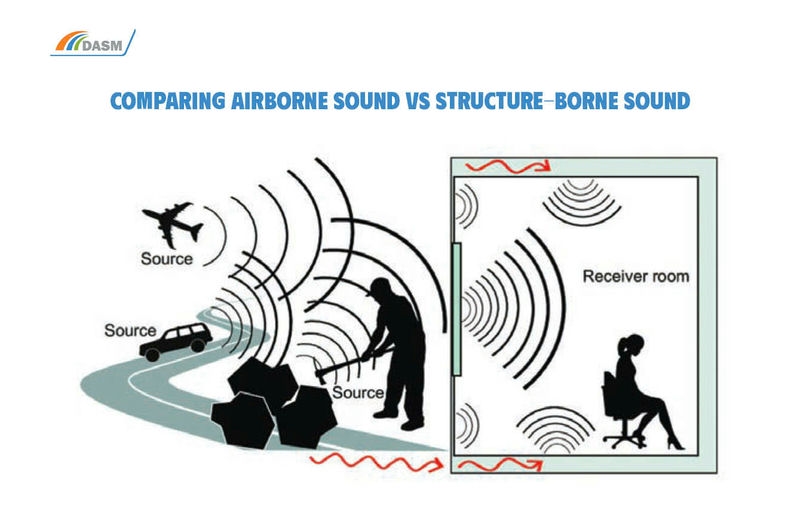
Sự khác biệt giữa âm thanh truyền qua không khí và âm thanh truyền qua kết cấu là gì?
Âm thanh truyền qua không khí và âm thanh truyền qua kết cấu là hai hiện tượng khác nhau, tuy nhiên nhiều người vẫn chưa thể phân biệt rõ ràng giữa chúng.
Đọc tiếp →