
Introduction
This document specifies the engineering method for the measurement of sound pressure level from service equipment in buildings. For use of this document measurements are performed under specified operation conditions and operating cycles. Such conditions are given in Annex B.
The operating conditions and operating cycles given in Annex B are only used if they are not opposed to national requirements and regulations.
1. Scope
This document specifies methods for measuring the sound pressure level from service equipment in buildings installed to building structures. This document covers specifically measurements of sanitary installations, mechanical ventilation, heating and cooling service equipment, lifts, rubbish chutes, boilers, blowers, pumps and other auxiliary service equipment, and motor driven car park doors, but can also be applied to other equipment attached to or installed in buildings.
The methods are suitable for rooms with volumes of approximately 300 m3 or less in e.g. dwellings, hotels, schools, offices and hospitals. The standard is not in general intended for measurements in large auditoria and concert halls. However, the operating conditions and operating cycles in Annex B can be used in such cases.
The service equipment sound pressure level is determined as the maximum A- weighted and optionally C- weighted sound pressure level occurring during a specified operation cycle of the service equipment under test, or as the equivalent continuous sound pressure level determined with a specified integration time. A-weighted and C- weighted values are calculated from octave-band measurements.
2. Normative references
The following referenced documents are indispensable for the application of this document. For dated references, only the edition cited applies. For undated references, the latest edition of the referenced document (including any amendments) applies.
EN 60942, Electroacoustics — Sound calibrators (IEC 60942:2003).
EN 61260, Electroacoustics — Octave-band and fractional-octave-band filters (IEC 61260:1995).
EN 61672-1, Electroacoustics — Sound level meters — Part 1: Specifications (IEC 61672-1:2002).
EN 61672-2, Electroacoustics — Sound level meters — Part 2: Pattern evaluation tests (IEC 61672-2:2003).
EN ISO 3382, Acoustics — Measurement of the reverberation time of rooms with reference to other acoustical parameters (ISO 3382:1997).

Thông báo bản quyền tiêu chuẩn
Theo quyết định kỹ thuật và quy định bản quyền quốc tế, Viện DASM chỉ hiển thị phần tóm tắt và quy chuẩn phương pháp đo, không cung cấp tệp tải về có bản quyền.
VILAS 1541
DASM thực hiện phép thử theo tiêu chuẩn này
Phòng thử nghiệm âm học DASM được công nhận năng lực thực hiện 1 phép thử theo tiêu chuẩn ISO 16032:2004:
- Đo mức áp suất âm(TCVN 8776:2011; ISO 16032:2004)
VILAS 1541 · ISO/IEC 17025
Cần tư vấn giải pháp âm học chuyên sâu?
Liên hệ ngay với chuyên gia Viện DASM để được khảo sát thực tế, đo kiểm chuẩn VILAS 1541 và tư vấn giải pháp tối ưu cho công trình của bạn.
Bài viết liên quan
Các bài viết cùng chuyên mục hoặc chủ đề tương tự
- 5 phút đọc
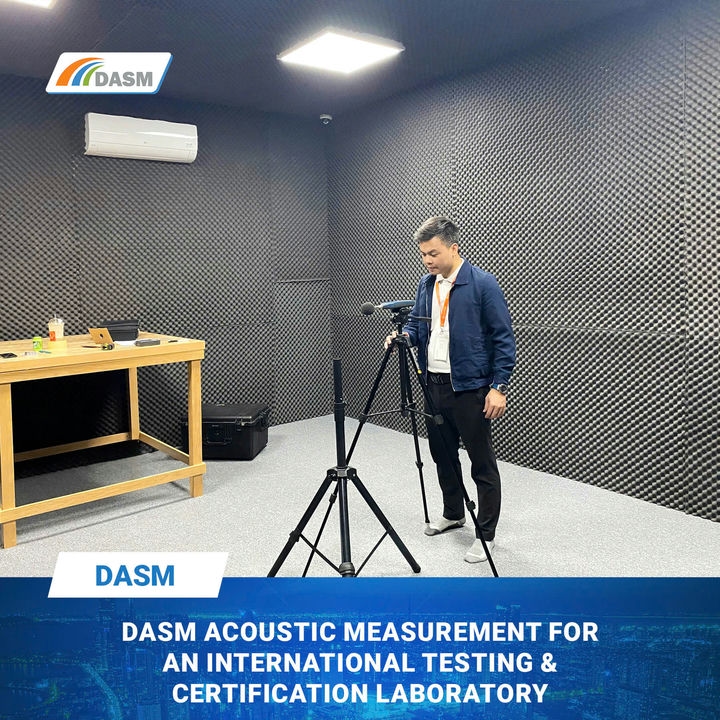
Đo lường âm học nâng cao và thử nghiệm phát xạ tiếng ồn dành cho các phòng thử nghiệm và chứng nhận quốc tế
DASM cung cấp các dịch vụ đo lường âm học nâng cao và thử nghiệm phát xạ tiếng ồn cho các phòng thử nghiệm và chứng nhận, tuân thủ các quy trình ISO
Đọc tiếp → - 5 phút đọc
Hút âm: Định nghĩa, Công thức, Đo lường & Ứng dụng
Tìm hiểu về hút âm là gì, cơ chế hoạt động, hệ số hút âm (α), các phương pháp thử nghiệm như ống Kundt (ISO 10534-2) và phòng âm vang (ISO 354)
Đọc tiếp → - 10 phút đọc
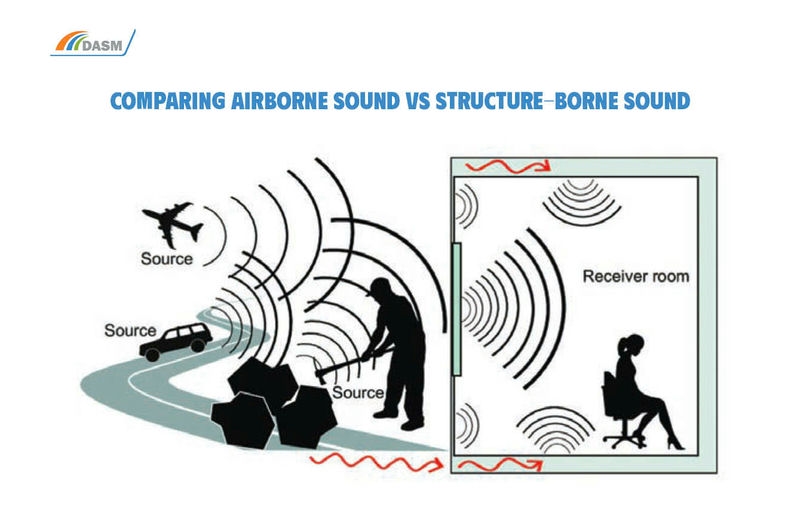
Sự khác biệt giữa âm thanh truyền qua không khí và âm thanh truyền qua kết cấu là gì?
Âm thanh truyền qua không khí và âm thanh truyền qua kết cấu là hai hiện tượng khác nhau, tuy nhiên nhiều người vẫn chưa thể phân biệt rõ ràng giữa chúng.
Đọc tiếp →