
ISO 16254:2016 is derived from ISO 362‑1 and specifies an engineering method for measuring the sound emitted by M and N category road vehicles at standstill and low speed operating conditions. The specifications reproduce the level of sound which is generated by the principal vehicle sound sources consistent with stationary and low speed vehicle operating conditions relevant for pedestrian safety. The method is designed to meet the requirements of simplicity as far as they are consistent with reproducibility of results under the operating conditions of the vehicle.
The test method requires an acoustic environment which is only obtained in an extensive open space. Such conditions usually exist during the following:
– measurements of vehicles for regulatory certification;
– measurements at the manufacturing stage;
– measurements at official testing stations.
The results obtained by this method give an objective measure of the sound emitted under the specified conditions of test. It is necessary to consider the fact that the subjective appraisal of the annoyance, perceptibility, and/or detectability of different motor vehicles or classes of motor vehicles due to their sound emission are not simply related to the indications of a sound measurement system. As annoyance, perceptibility and/or detectability are strongly related to personal human perception, physiological human condition, culture, and environmental conditions, there are large variations and therefore these terms are not useful as parameters to describe a specific vehicle condition.
Spot checks of vehicles chosen at random rarely occur in an ideal acoustic environment. If measurements are carried out on the road in an acoustic environment which does not fulfil the requirements stated in this International Standard, the results obtained might deviate appreciably from the results obtained using the specified conditions.
In addition, this International Standard provides an engineering method to measure the performance of external sound generation systems intended for the purpose of providing acoustic information to pedestrians on a vehicle’s operating condition. This information is reported as objective criteria related to the external sound generation system’s sound pressure level, frequency content, and changes in sound pressure level and frequency content as a function of vehicle speed. As such, these measures can provide pedestrians with information on the location, speed, acceleration, and deceleration behaviour of a vehicle. Annex A contains background information relevant in the development of this International Standard.

Thông báo bản quyền tiêu chuẩn
Theo quyết định kỹ thuật và quy định bản quyền quốc tế, Viện DASM chỉ hiển thị phần tóm tắt và quy chuẩn phương pháp đo, không cung cấp tệp tải về có bản quyền.
VILAS 1541
DASM thực hiện phép thử theo tiêu chuẩn này
Phòng thử nghiệm âm học DASM được công nhận năng lực thực hiện 1 phép thử theo tiêu chuẩn ISO 16254:2016:
- Đo tiếng ồn phát ra từ ô tô(TCVN 7880:2016; ISO 16254:2016)
VILAS 1541 · ISO/IEC 17025
Cần tư vấn giải pháp âm học chuyên sâu?
Liên hệ ngay với chuyên gia Viện DASM để được khảo sát thực tế, đo kiểm chuẩn VILAS 1541 và tư vấn giải pháp tối ưu cho công trình của bạn.
Bài viết liên quan
Các bài viết cùng chuyên mục hoặc chủ đề tương tự
- 5 phút đọc
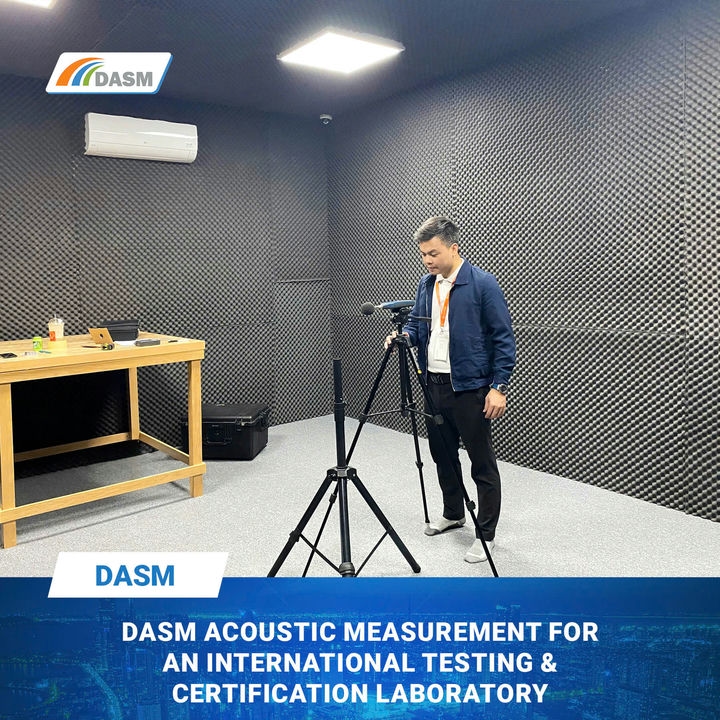
Đo lường âm học nâng cao và thử nghiệm phát xạ tiếng ồn dành cho các phòng thử nghiệm và chứng nhận quốc tế
DASM cung cấp các dịch vụ đo lường âm học nâng cao và thử nghiệm phát xạ tiếng ồn cho các phòng thử nghiệm và chứng nhận, tuân thủ các quy trình ISO
Đọc tiếp → - 5 phút đọc
Hút âm: Định nghĩa, Công thức, Đo lường & Ứng dụng
Tìm hiểu về hút âm là gì, cơ chế hoạt động, hệ số hút âm (α), các phương pháp thử nghiệm như ống Kundt (ISO 10534-2) và phòng âm vang (ISO 354)
Đọc tiếp → - 10 phút đọc
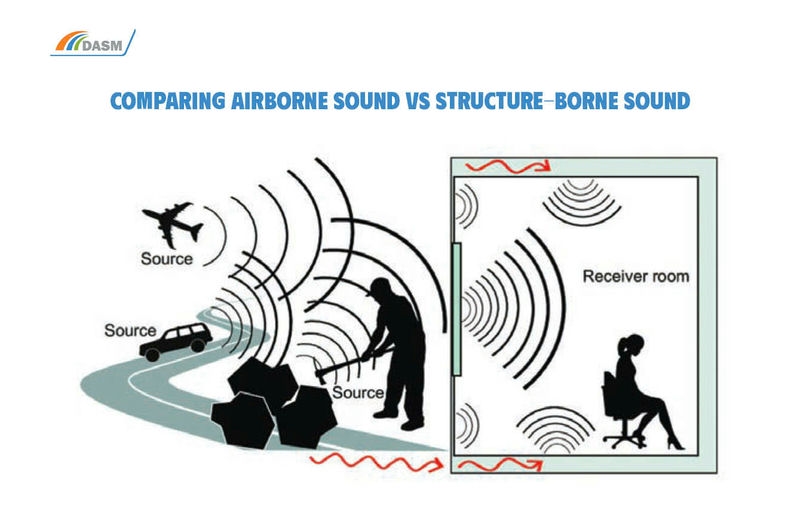
Sự khác biệt giữa âm thanh truyền qua không khí và âm thanh truyền qua kết cấu là gì?
Âm thanh truyền qua không khí và âm thanh truyền qua kết cấu là hai hiện tượng khác nhau, tuy nhiên nhiều người vẫn chưa thể phân biệt rõ ràng giữa chúng.
Đọc tiếp →