
Introduction
This International Standard provides a stepwise approach to the determination of occupational noise exposure from noise level measurements. The procedure contains the following major steps: work analysis, selection of measurement strategy, measurements, error handling and uncertainty evaluations, calculations, and presentation of results. This International Standard specifies three different measurement strategies: task-based measurement; job-based measurement; and full-day measurement. This International Standard gives guidance on selecting an appropriate measurement strategy for a particular work situation and purpose of investigation. This International Standard also provides an informative spreadsheet to allow calculation of measurement results and uncertainties. ISO is not responsible for errors that may arise or occur with the use of this spreadsheet.
This International Standard recognizes the use of hand-held sound level meters as well as personal sound exposure meters. The methods specified optimize the effort required for obtaining a given accuracy.
1. Scope
This International Standard specifies an engineering method for measuring workers’ exposure to noise in a working environment and calculating the noise exposure level. This International Standard deals with A-weighted levels but is applicable also to C-weighted levels. Three different strategies for measurement are specified. The method is useful where a determination of noise exposure to engineering grade is required, e.g. for detailed noise exposure studies or epidemiological studies of hearing damage or other adverse effects.
The measuring process requires observation and analysis of the noise exposure conditions so that the quality of the measurements can be controlled. This International Standard provides methods for estimating the uncertainty of the results.
This International Standard is not intended for assessment of masking of oral communication or assessment of infrasound, ultrasound and non-auditory effects of noise. It does not apply to the measurement of the noise exposure of the ear when hearing protectors are worn.
Results of the measurements performed in accordance with this International Standard can provide useful information when defining priorities for noise control measures.
2. Normative references
The following referenced documents are indispensable for the application of this document. For dated references, only the edition cited applies. For undated references, the latest edition of the referenced document (including any amendments) applies.
ISO 1999, Acoustics — Determination of occupational noise exposure and estimation of noise-induced hearing impairment
ISO/IEC Guide 98-3, Uncertainty of measurement — Part 3: Guide to the expression of uncertainty in measurement (GUM:1995)
IEC 60942:2003, Electroacoustics — Sound calibrators
IEC 61252, Electroacoustics — Specifications for personal sound exposure meters
IEC 61672-1:2002, Electroacoustics — Sound level meters — Part 1: Specifications
Thông báo bản quyền tiêu chuẩn
Theo quyết định kỹ thuật và quy định bản quyền quốc tế, Viện DASM chỉ hiển thị phần tóm tắt và quy chuẩn phương pháp đo, không cung cấp tệp tải về có bản quyền.
VILAS 1541
DASM thực hiện phép thử theo tiêu chuẩn này
Phòng thử nghiệm âm học DASM được công nhận năng lực thực hiện 1 phép thử theo tiêu chuẩn ISO 9612:2009:
- Xác định mức tiếp xúc tiếng ồn nghề nghiệp(TCVN 9799:2013; ISO 9612:2009)
VILAS 1541 · ISO/IEC 17025
Cần tư vấn giải pháp âm học chuyên sâu?
Liên hệ ngay với chuyên gia Viện DASM để được khảo sát thực tế, đo kiểm chuẩn VILAS 1541 và tư vấn giải pháp tối ưu cho công trình của bạn.
Bài viết liên quan
Các bài viết cùng chuyên mục hoặc chủ đề tương tự
- 5 phút đọc
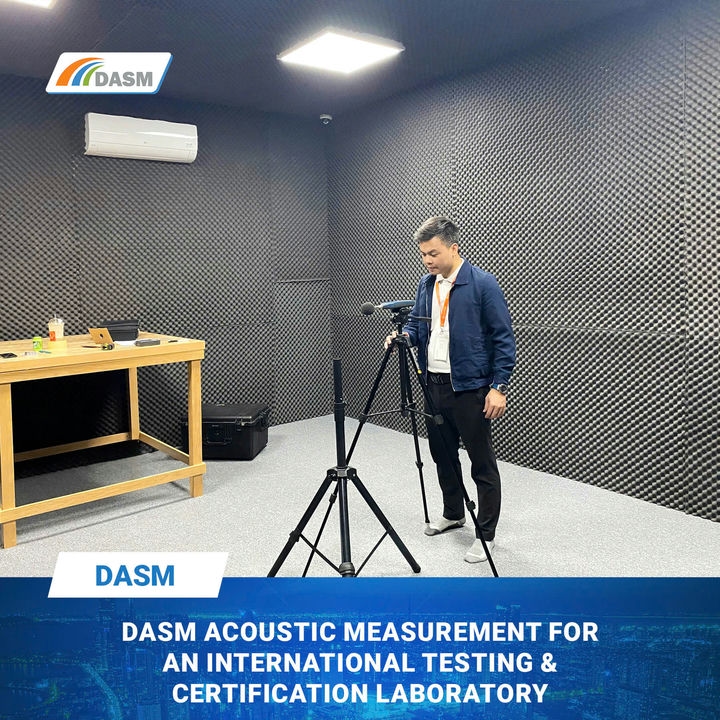
Đo lường âm học nâng cao và thử nghiệm phát xạ tiếng ồn dành cho các phòng thử nghiệm và chứng nhận quốc tế
DASM cung cấp các dịch vụ đo lường âm học nâng cao và thử nghiệm phát xạ tiếng ồn cho các phòng thử nghiệm và chứng nhận, tuân thủ các quy trình ISO
Đọc tiếp → - 5 phút đọc
Hút âm: Định nghĩa, Công thức, Đo lường & Ứng dụng
Tìm hiểu về hút âm là gì, cơ chế hoạt động, hệ số hút âm (α), các phương pháp thử nghiệm như ống Kundt (ISO 10534-2) và phòng âm vang (ISO 354)
Đọc tiếp → - 10 phút đọc
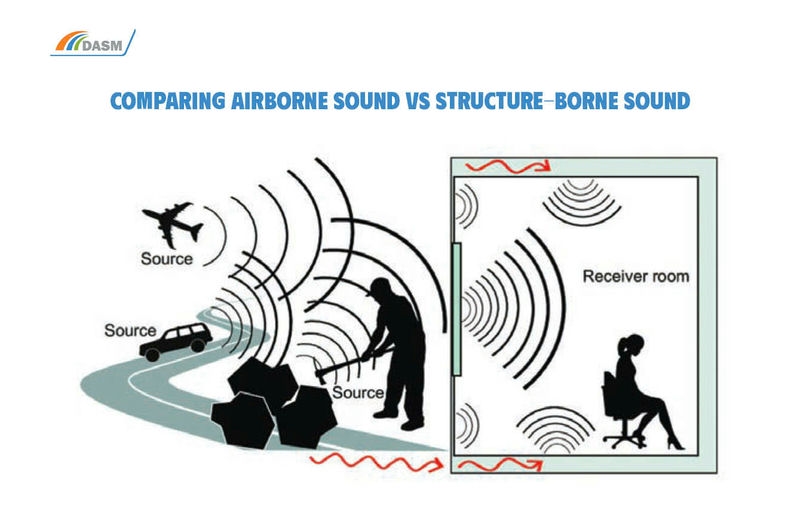
Sự khác biệt giữa âm thanh truyền qua không khí và âm thanh truyền qua kết cấu là gì?
Âm thanh truyền qua không khí và âm thanh truyền qua kết cấu là hai hiện tượng khác nhau, tuy nhiên nhiều người vẫn chưa thể phân biệt rõ ràng giữa chúng.
Đọc tiếp →